By the time real estate headlines report that a Sydney suburb has achieved 20% annual capital growth, the primary gentrification premium has already been captured. To achieve above-average capital growth, strategic property buyers must identify the leading indicators of transformation before median price figures register the change.
1. Household Income Growth Outpacing Local Price Growth
The truest structural driver of property prices is not investor sentiment; it is local household purchasing power. Analyzing Australian Bureau of Statistics (ABS) census updates and ATO personal income records reveals where higher-income demographics are migrating.
When median household weekly income in a working-class or fringe suburb grows at 1.5x the state average over a 5-year period, residential real estate in that pocket will inevitably re-rate. As wealthier professional households settle, their borrowing capacity resets the baseline pricing of the suburb.
2. Municipal Council Development Application (DA) Clustering
A reliable physical indicator of gentrification is the clustering of substantial residential alterations and additions within local council DA registries. When older unrenovated timber cottages or red-brick bungalows show widespread submissions for architectural second-storey additions, pool installations, and facade modernizations, established capital is committing long-term.
Renovators transform the architectural streetscape, raising neighbouring property appraisals and creating an irreversible upward pricing spiral. This physical renewal often mirrors transit improvements, as detailed in our guide on Evaluating Sydney Suburbs: Identifying Infrastructure Corridors vs. Speculative Hype.
3. Commercial Retail and Amenity Evolution
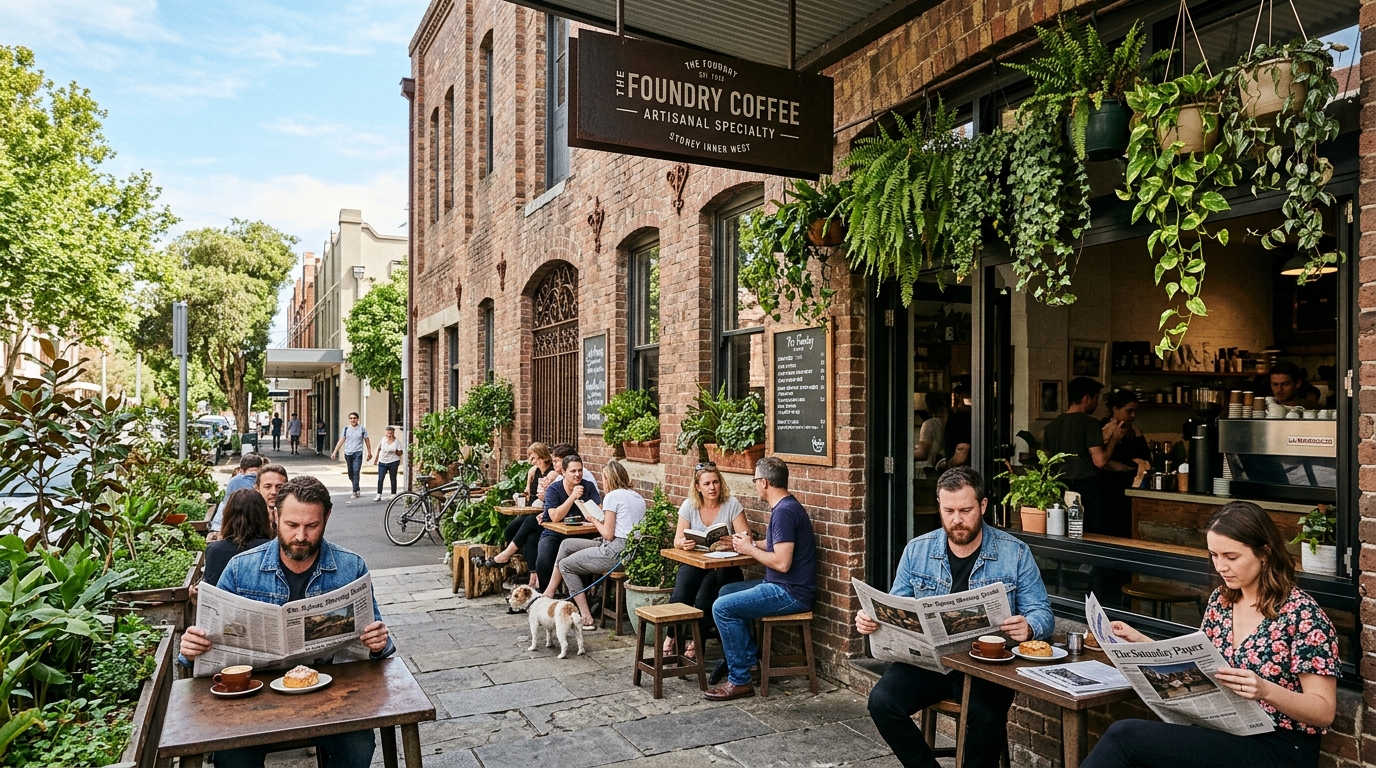
Commercial leasing activity provides early warning signals. Commercial tenants operate on thin margins and conduct forensic demographic research before opening. When discount retailers and vacant commercial shopfronts are replaced by specialty coffee roasters, organic grocers, and boutique fitness studios, commercial operators have confirmed that discretionary expenditure in the catchment has surged.
Capitalizing on gentrification requires balancing initial rental yields against long-term appreciation. Review our financial breakdown in Capital Growth vs. Rental Yield in Sydney, or visit our Suburb & Market Intelligence Hub for area data briefs.